
In a healthcare setting, “alcohol” refers to two water-soluble (able to be dissolved by water) chemical compounds: ethyl alcohol and isopropyl alcohol. Alcohol is ideal for disinfection because it can break down microbes (process known as denaturation), including viruses.
Alcohol is often used to disinfect small surfaces (e.g. rubber stoppers of multiple-dose medication vials, and thermometers) and occasionally external surfaces of equipment (e.g. stethoscopes and ventilators). Since alcohol is flammable, limit its use as a surface disinfectant to small surface-areas and use it in well-ventilated spaces only. Prolonged and repeated use of alcohol as a disinfectant can also cause discoloration, swelling, hardening and cracking of rubber and certain plastics.
Alcohol solutions containing 60% to 95% alcohol are most effective. Notably, higher concentrations are less effective because less water is present, which is needed to more easily and quickly break down proteins, which make up the walls of viruses.
Ethyl alcohol, at concentrations of 60%-80% is a potent agent inactivating all of the lipophilic (combine with or dissolve in lipids or fats) viruses and many hydrophilic (mix with, dissolve in, or be wetted by water) viruses.
You’ve probably heard of ethyl alcohol in relation to alcoholic drinks. Yes, that is the agent that gets you intoxicated when you have a beer or wine. This does not mean that you can use your 6-pack or growler contents for sanitization. The percentage of ethyl alcohol to water and other ingredients is often not enough to sanitize viruses.
Isopropyl alcohol is fully active against the lipid viruses.
Water is an essential factor in destroying or reducing the growth of microorganisms with isopropyl alcohol. 70% isopropyl alcohol 30% water solutions penetrate the cell wall more completely ultimately killing the microorganism. Extra water content slows evaporation, therefore increasing surface contact time and enhancing effectiveness. Isopropyl alcohol concentrations over 91% coagulate proteins instantly, which doesn’t allow for the cell wall to be broken so that the microorganism can be killed.
Knowing the amount of time to leave a disinfectant on a particular surface leads to better use of disinfection and sterilization processes.
Activity of germicides against microorganisms depends on a number of factors, some of which are intrinsic qualities of the organism, others of which are the chemical and external physical environment.
Bleach is a strong and effective disinfectant but when diluted requires 10–60 minutes contact time. It is widely available at a low cost, and is recommended for surface disinfection in health-care facilities. Of course, the downside is that bleach irritates mucous membranes, the skin and the airways; decomposes under heat and light; and reacts easily with other chemicals. Therefore, caution should be exercised if using bleach. Aside from health implications, improper use of bleach, including deviation from recommended dilutions (either stronger or weaker), may reduce its effectiveness for disinfection and can injure health-care workers.
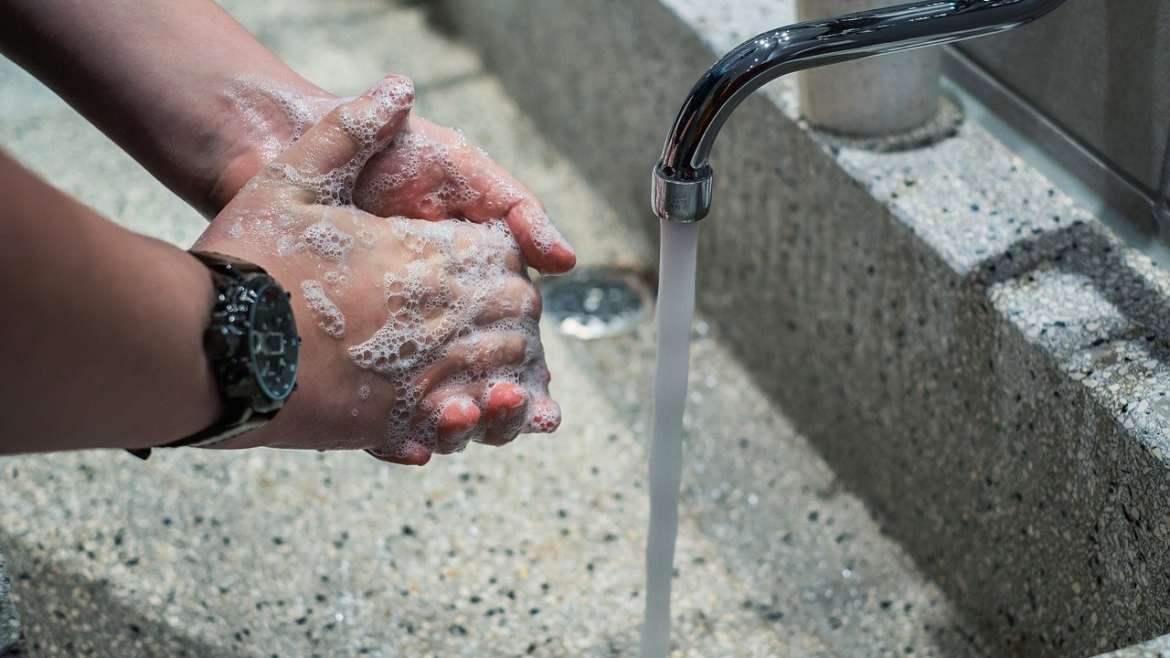
Alcohol-based hand sanitizers are often less irritating to the hands than hand washing. The CDC recommends the use of alcohol-based hand rubs containing various emollients and other skin conditioners instead of irritating soaps and detergents as a strategy to reduce skin damage, dryness, and irritation. Effectiveness is also very dependent on the technique of application of the alcohol hand sanitizer. One must apply the product to the palm and rub the product all over the surfaces of both hands until they are dry. There have been several studies comparing the amount needed to be effective (2.4 to 3 mL is recommended) and application time required to achieve hand disinfection (25 to 30 seconds). Dispensers may deliver considerably less than the 3 mL necessary if pushed only once, which would be insufficient to cover the hands entirely.
ABHS have not been shown to be as effective as good soap and water hand washing against certain infections. Drying hands with a towel removes pathogens first by friction during rubbing with the drying material and then by wicking away the moisture into that material. Excessive hand washing with soap and water can cause skin damage and increase the risk for infections.
Wearing cloth face coverings in public settings can be beneficial where other social distancing measures (like distance) are difficult to maintain (e.g., grocery stores and pharmacies). It can also serve as a reminder for people to maintain social distancing by staying 6 feet away from other individuals.
You should be careful not to touch their eyes, nose, and mouth when wearing or removing a face covering and wash hands immediately after removing. Cloth face coverings should also follow these guidelines:
Cloth face coverings should not be placed on young children under age 2, anyone who has trouble breathing, or anyone that cannot remove the mask without assistance.
A surgical mask is intended to prevent the release of potential contaminants from the user into their immediate environment and is also used to protect the wearer from large droplets, sprays and splashes of bodily fluids. It can also serve as a reminder for people to maintain social distancing by staying 6 feet away from other individuals.
Does not effectively filter small particles from air. Leakage occurs around the edge of the mask when the user inhales. Not designed to fit tight to face. Individuals should be careful not to touch their eyes, nose, and mouth when removing their face covering and wash hands immediately after removing.
In a healthcare setting, protects from exposure to biological aerosols including viruses and bacteria. Reduces wearer’s exposure to particles including small particle aerosols and large droplets (all non-oil aerosols).
Effectively filters large and small particles from air when properly fitted and worn because of minimal leakage around the edges and a tight fit to the face. These respirators, at this time, are to be used by medical professionals only due to that industry’s needed protection.
CDC Cleaning and Disinfection for Households:
OSHA COVID-19 Control and Prevention
CDC Use of Cloth Face Coverings to Help Slow the Spread of COVID-19




.webp)